
The Atelier of Affinities is my own way of reading a dish, or a whole menu, by the aroma families its ingredients share, before a single pan is lit. It is an instrument. It does not tell me what to cook. It shows me where flavours can bridge, so that a menu holds together and travels.
French Borneo is the method behind it: study an indigenous Sarawak technology, take the principle inside it, and carry that principle forward with contemporary French, Japanese and Modernist technique. The Atelier of Affinities is the instrument that method reaches for. I first showed it at the durian dinner for the Ambassador of France at the Residence of France.
Six ways in
One method, shown here on durian. It reads a single ingredient for the families it holds, then turns that reading into a menu. Each view is honest about what it knows and where it is only reading.
How it works
The method before the fruit. How one ingredient is read for the four smell families it carries, and how that reading becomes five courses in order. Durian is the worked example, and the method reaches well beyond it.
The menu
The evening as a map. Each course is joined to the durian it is built on by the one family they share, and the same courses can be read a second way, in the order they were served.
The Compass
The durian's smell measured across its four families, then read outward for what it pairs with. Two ingredients on the same arm share a note, and that shared reach is the pairing.
The Pyramid
The same smell read again, this time by time: which notes reach the nose first, and which hold and stay. The perfumer's top, heart and base, drawn from the measured fruit.
Build a dish
The reading turned into a recipe. Name what the fruit lacks, choose the one move that supplies it, and a course gains the bright top and the acidity raw durian never had.
New profiles
Durian read as a hub in the flavour network, with no fixed partners. Each molecule it shares is a thread, and each thread a profile no one has cooked yet.
Durian, the first galaxy
Durian carries one hundred and seventy-six aroma compounds, one of the most complex scents in any fruit. I did not invent that complexity. I read it through four families, which are the words the instrument works with: esters, which smell fruity; sulphur, onion and garlic; ketones, cream and warm butter; and furanones, caramel and toffee.
Two durians
The method starts by refusing the obvious answer. There are two durians here. Musang King is the loud one: savoury, oniony, almost meaty, the durian that clears a room, with a warm custardy cream underneath. Black Thorn is the sweet one. It is quieter on the nose and nearly twice as sugary, with honey and caramel where Musang King has onion.
You cannot swap one for the other, and the science explains why. The milky cream note a custard course needs is in Musang King and missing from Black Thorn. The sugar that caramelises to toffee runs at nearly double in Black Thorn. So I treated them as two different fruits, two suns, each lighting the courses built on it.


The withholding
One fruit can tire a table long before it offends anyone. So the idea that governs the menu is restraint, and durian’s sweetness is held back until the last plate. The savoury comes first and the sweetness at the end. The menu takes the fruit through five states and lets it be sweet only at the very close, so a French table meets it five times and fully recognises it only on the last.
The five movements
The instrument wrote the menu. Read in order, the galaxy becomes the meal.
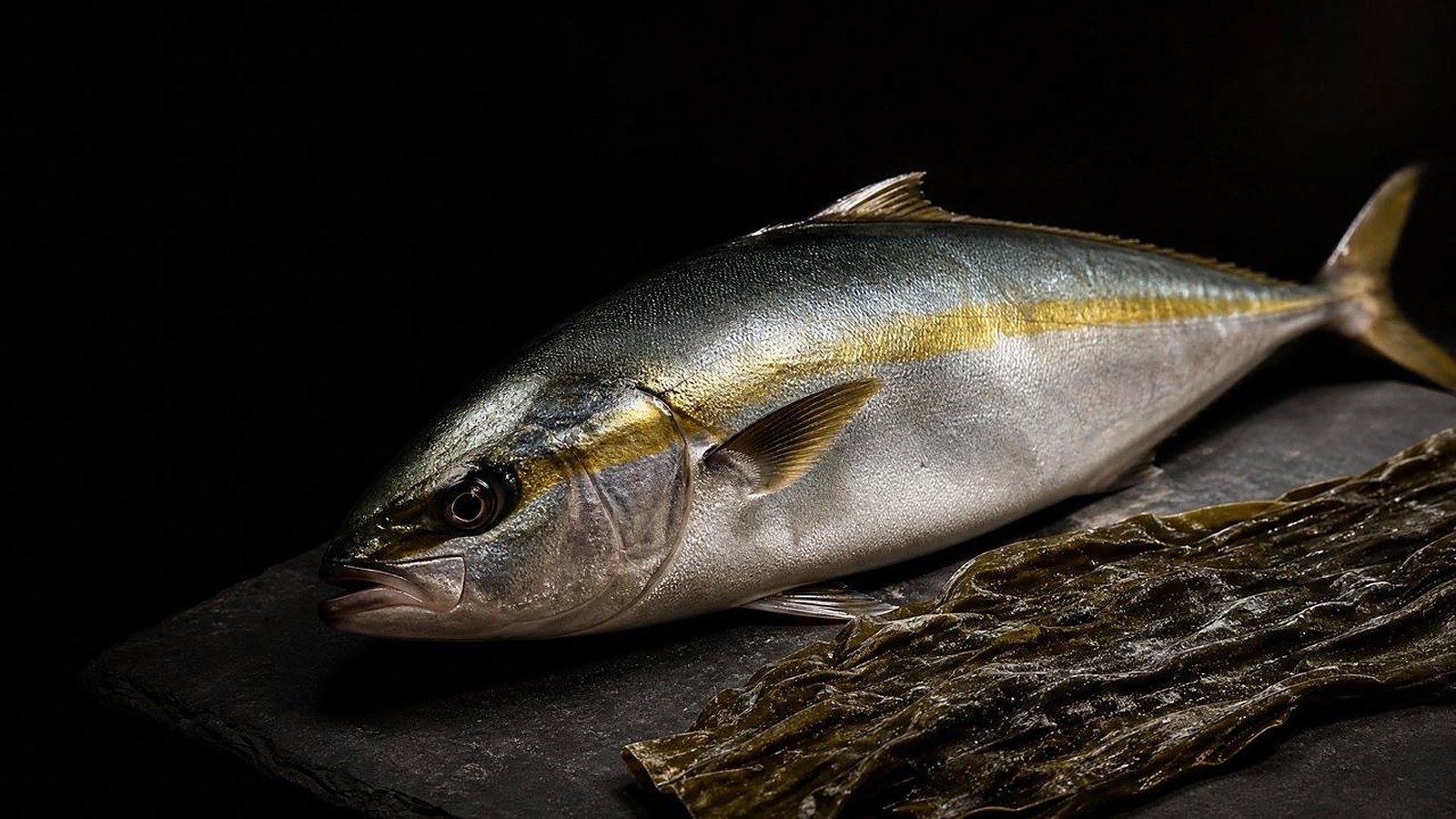
ITempoyak · Sériole · Kombu
Musang King: the savoury fruitFermented until tangy and savoury, like a tropical miso: the king of fruits in disguise, beside lightly cured kanpachi and a clear kombu jelly.
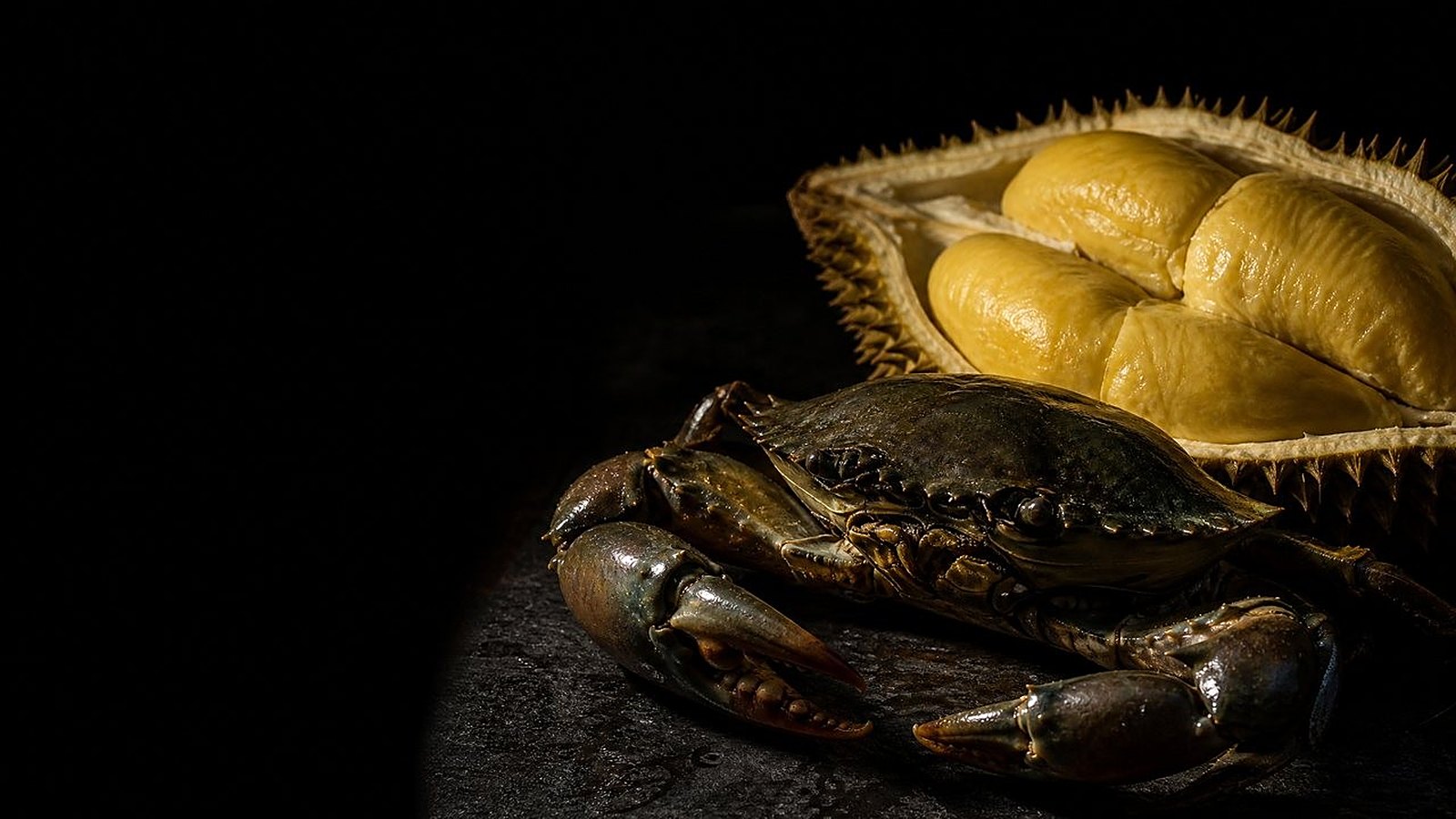
IIChawanmushi · Crabe
Musang King: the savoury fruitFolded into a silken savoury custard with mud crab. Here the durian is soft, almost a soup.
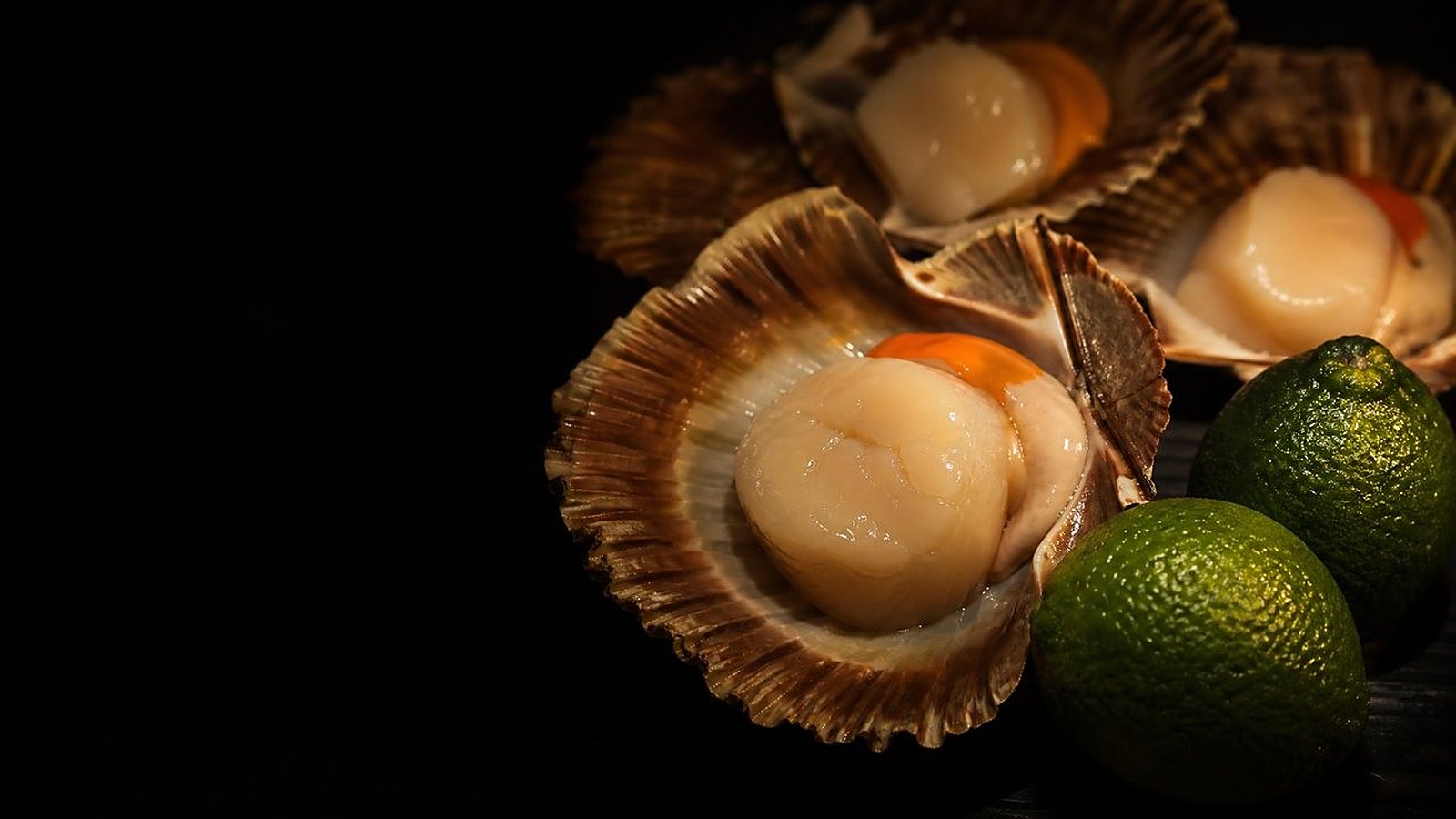
IIISaint-Jacques · Durian Caramélisé
Black Thorn: the sweet fruit, first caramelCaramelised over charcoal with palm sugar until it turns to toffee, with charred lime to keep it bright, beside a seared scallop.
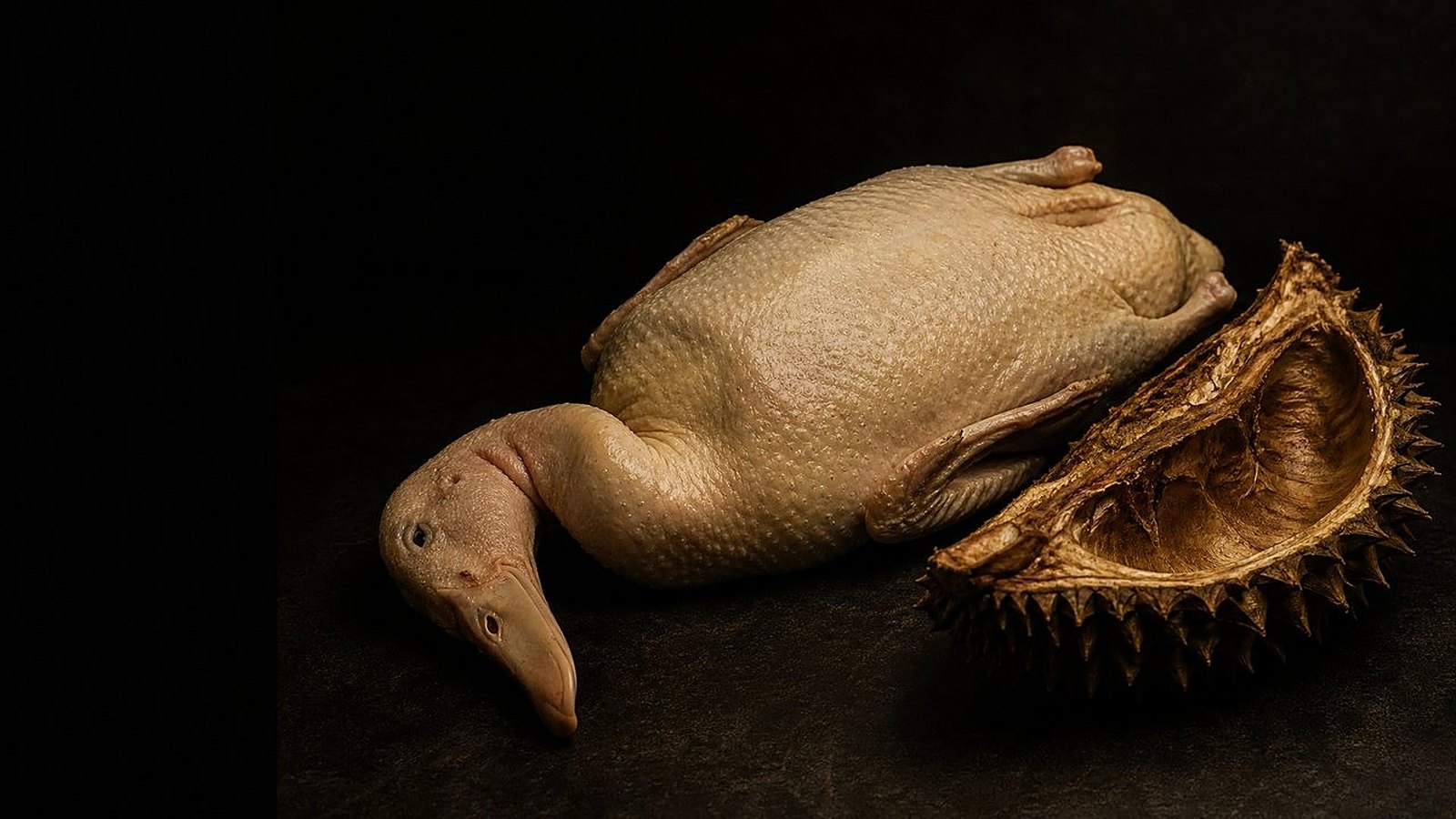
IVCanard · Fumée d’Écorce
Musang King: the savoury fruit, husk to plateRoast duck deepened the way a spoon of miso would deepen it, and vegetables smoked over the fruit’s own husk. Nothing is wasted.
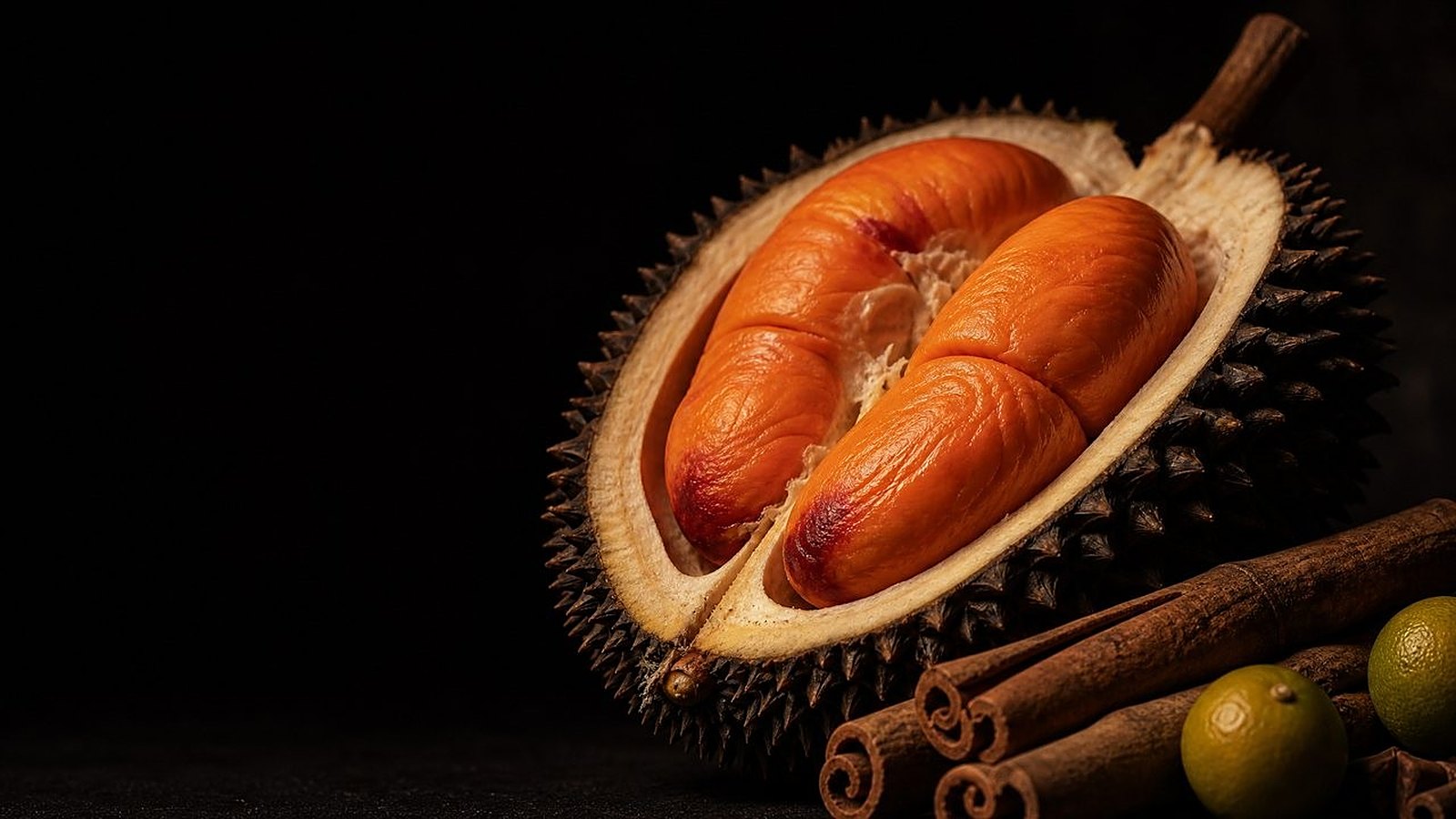
VParfait Black Thorn · Bario
Black Thorn: the sweet fruit, at lastFrozen and light, with palm-sugar caramel, calamansi and Bario cinnamon. After holding back four times, the fruit finally arrives whole.


See the durian dashboard for the full reading, or read about the evening in the Journal: French Borneo, durian in five movements.
A second menu
Durian was the first worked example. The full Serumpun Sarawak menu is the second. The Atelier of Flavours takes the same reading to seven courses from the indigenous Bornean larder and sets them against the world’s flavour database of roughly a million recipes. It shows where the record knows a Sarawak ingredient as itself, where it can only offer a generic cousin and the terroir goes flat, and where it has nothing to say. Where it has nothing, the instrument invents nothing. It defers to the communities who keep the knowledge, and says so.
Enter the Atelier of Flavours →
An ethos, and a place
Nothing is wasted. The husk smokes the vegetables and the skin scents the oil. It is nose-to-tail cooking, applied to a fruit. And the instrument reads from a place: Bario cinnamon, gula apong, the indigenous larder of Sarawak: Serumpun, the heritage we cook from. The Western pairing record has nothing on this larder, as it has nothing on any ingredient outside its own corpus. So those affinities are mine to read, and the communities who have kept them are named at every step.
A French table and a Borneo fruit. Contemporary French technique and Bornean terroir make the diplomacy of the plate, and the instrument is honest enough to show what it does not yet know.
Questions answered
What is the Atelier of Affinities?
The Atelier of Affinities is James Won’s instrument for reading a dish, or a whole menu, by the aroma families its ingredients share, before anything is cooked. It does not say what to cook. It shows where flavours can bridge, so that a menu holds together.
Who is the Atelier of Affinities for?
It is for chefs and culinary students who want to read a menu before they cook it, for partners planning a menu or a pairing, and for diners curious about why a meal is built the way it is.
Where was the Atelier of Affinities first used?
James Won first showed it at a five-course durian dinner for the Ambassador of France, H.E. Marc Abensour, at the Residence of France on 11 June 2026. It read two durians, Musang King and Black Thorn, as two different fruits and held the sweetness back until the last course.
Is the Atelier of Affinities a formula or an AI tool?
No. The aroma science underneath is real and cited, but the affinities drawn across it are a chef’s reading, open to change. Where the world’s flavour data knows nothing of a Sarawak ingredient, the instrument invents nothing and defers to the communities who keep the knowledge.
How can I ask about using the method?
Questions about the instrument, or about the method for a dinner, a pairing or a class, are welcome at connect@chefjameswon.com.
Ideology
The thinking the instrument serves.
Serumpun Sarawak
The indigenous larder it reads from.
Recognition
The work, and how it has been received.
Durian, in five movements
The dinner where I first showed the instrument.
Precision with soul. Luxury with roots.James Won